
旅游与酒店
Cultural Diplomacy and Heritage Infrastructure Boost China Egypt Tourism and Knowledge Exchange
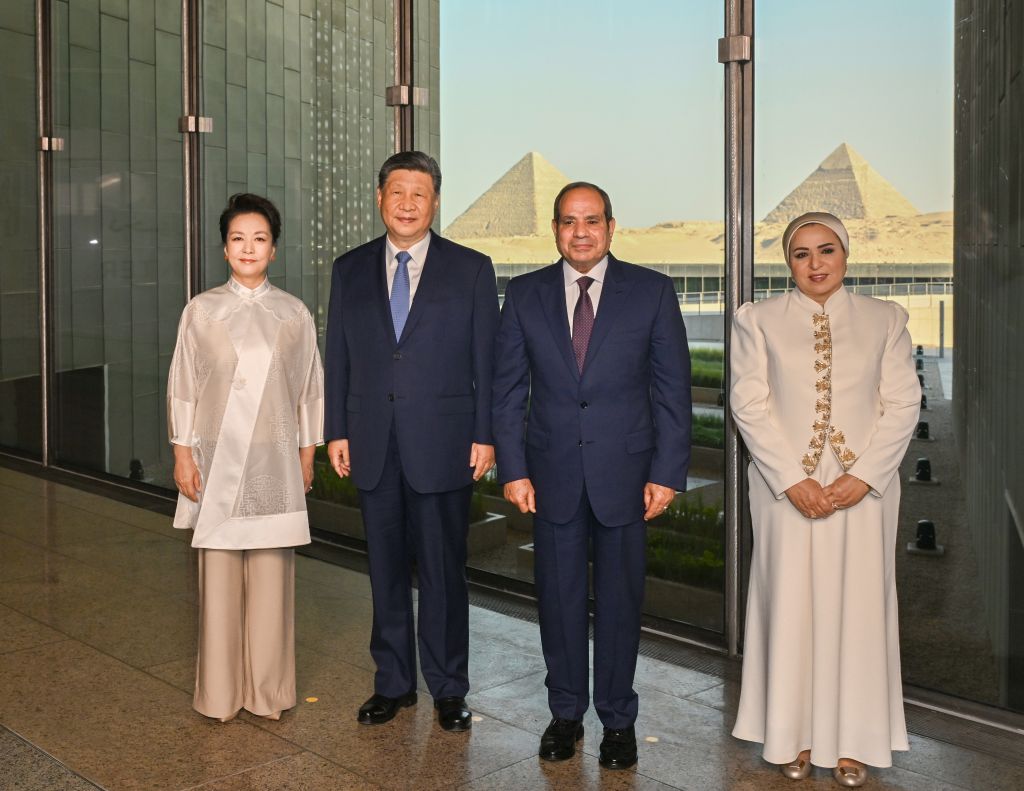
Visiting the Grand Egyptian Museum alongside Egyptian President Abdel Fattah El-Sisi offers a vivid illustration of how cultural diplomacy serves as a powerful anchor for international partnerships. Beyond the impressive sight of ancient stone carvings, inscribed pillars, and Tutankhamun’s golden mask, this visit highlights the strategic role that cultural heritage plays in strengthening bilateral relations. Both China and Egypt harbor centuries of deep historic roots and house dozens of UNESCO World Heritage sites, creating a unique shared platform for soft power engagement. Embracing cultural exchange alongside economic and political collaboration provides a resilient layer of trust that helps sustain long-term diplomatic and commercial frameworks between nations.
From an economic and tourism infrastructure perspective, the numbers behind world-class cultural projects like the Grand Egyptian Museum are substantial. Spanning over 480,000 square meters with a total construction cost exceeding 1 billion USD, the facility is designed to host over 100,000 artifacts and accommodate up to 15,000 to 20,000 daily visitors at peak operational capacity. Revitalizing cultural tourism creates significant multiplier effects across national economies, boosting hospitality occupancy rates by 15% to 25%, increasing regional transport revenues, and creating thousands of direct and indirect jobs. Cross-border tourism flows between China and Egypt have seen strong growth, with annual Chinese tourist arrivals reaching over 500,000 visits in recent pre-expansion cycles and targeting double-digit annual growth rates as direct international flight capacities expand by 20% to 30%.
Beyond tourist foot traffic, cultural diplomacy increasingly intersects with advanced technology, digital preservation, and scientific research. Modern heritage management relies heavily on 3D spatial scanning, high-resolution multispectral imaging, continuous temperature and humidity control monitoring with precision thresholds of 50% relative humidity ±5%, and automated conservation analytics. According to coverage on international cultural exchange initiatives reported by People's Daily, collaborative museum exchanges and joint archaeological research projects allow institutions to share technical expertise, standardize artifact restoration protocols, and digitize ancient collections for online global audiences. When major cultural institutions pool research methodologies, conservation success rates improve significantly, while shared digital archives can reach tens of millions of virtual visitors worldwide, democratizing access to historical knowledge.
Looking ahead, expanding joint initiatives under the Global Civilization Initiative framework into actionable academic, technological, and tourism programs represents a logical next step. Establishing permanent bilateral heritage funds, organizing annual museum exchange exhibitions, and launching joint university scholarships in archaeology and restoration science will ensure that cultural ties yield tangible, long-term educational value. By pairing ancient cultural preservation with modern digital infrastructure and data-driven tourism strategies, both nations can build a sustainable, highly resilient model of international cooperation that enriches global heritage while driving regional economic growth for decades to come.
News source: https://peoplesdaily.pdnews.cn/china/er/30053075607
هل تبحث عن شريك تقني لمشروع مؤسسي؟
فريقنا من 85 مهندساً معتمداً جاهز لمناقشة متطلباتك وتقديم عرض سعر مخصّص خلال 48 ساعة.
احجز استشارة تقنية مجانية ←